Shop Smart: How to Recognize Quality Vintage Clothing for Your Wardrobe
Exploring the realm of vintage clothing demands a keen eye and a strategic approach. Grasping the significance of clothing quality, tags, and material excellence is crucial. Each piece shares a story, but not all narratives are deserving of collection. Recognizing the markers of genuineness can make all the difference. As one explores this unique marketplace, the proper methods can lead to exceptional discoveries. What are the essential factors to ensure a fruitful antique apparel search?
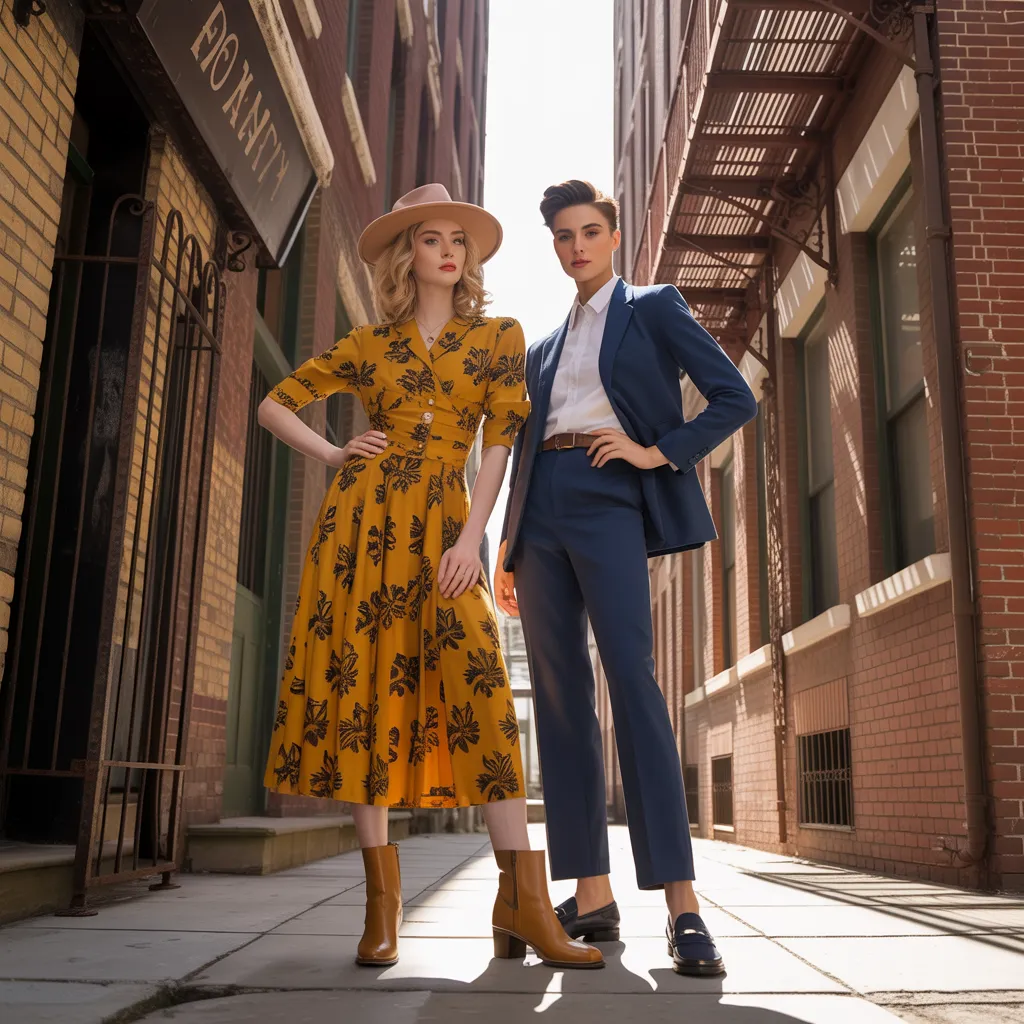
Why Condition Matters in Classic Garments
The condition of classic clothing represents an important component in determining its price and charm. Collectors and fashion devotees prefer garments that demonstrate negligible deterioration, since these items typically command elevated prices and receive more notice. Aspects including fabric durability, construction, and total appearance matter greatly to a piece's worthiness.
Clothing in excellent condition, absent of stains, tears, or fading, tend to copyright their original charm and craftsmanship, keeping the aesthetics of the era they represent. Conversely, items with visible damage may be viewed as less valuable, despite their historical significance.
Moreover, condition influences the feasibility for repair. Some collectors may enjoy the opportunity to repair slight flaws, while others may favor pristine pieces, emphasizing integrity over repair. Ultimately, the condition of vintage clothing not only influences its market value but also builds the narrative about each garment, boosting its appeal to prospective buyers.
Tips for Recognizing Vintage Clothing Labels
Identifying antique apparel tags is crucial for determining excellence and genuineness. This method involves recognizing iconic brand labels, decoding care tags, and investigating historical importance. Each component provides valuable insight into the garment's era and craftsmanship, enhancing appreciation for vintage pieces.
Spotting Renowned Brand Identifiers
How can one evaluate the legitimacy of vintage clothing labels? Spotting iconic brand labels is vital for identifying quality vintage pieces. Many renowned brands, such as Chanel, Dior, and Levi's, have distinct labels that reflect their heritage and craftsmanship. Vintage labels often feature unique typography and logos that differ from contemporary iterations. Additionally, the materials and stitching used in the labels can provide clues; older labels may be made from fabric rather than paper, showcasing a commitment to quality. Researching specific brands and their label history can deepen understanding, as many brands have evolved over time. By familiarizing oneself with these details, collectors can confidently identify authentic vintage clothing and enhance their collections.
Understanding Care Tags
What indicators do care tags deliver in the journey to pinpoint vintage clothing? Care tags can expose important facts about a garment's age, material, and origin. Vintage labels often miss standardized care instructions, showing a time when manufacturers championed different practices. Tags may highlight unique design elements, such as specific fonts, colors, or logos, characteristic of certain eras. For instance, tags made from paper or fabric with specific stitching styles can denote a garment's vintage status. Additionally, the absence of modern symbols, like washing machine icons, can further validate authenticity. By studying these details, collectors can make sound decisions, ensuring their purchases truly represent the vintage aesthetic they seek. Learning care tags is a important step in identifying quality vintage clothing.
Analyzing Historical Significance
Understanding the cultural weight of clothing tags enhances the ability to recognize vintage garments. Labels function as valuable indicators of a garment's era, style, and authenticity. For instance, certain brands grew prominent in specific time periods, such as Chanel in the 1950s or Halston in the 1970s. Getting to know label designs, font styles, and stitching techniques can assist specialists identify the age and birthplace of a piece.
Furthermore, certain tags may contain information about the maker, which can provide insights into the garment's quality. Studying label history, such as alterations in style or company mergers, can additionally enrich the collector's understanding, ultimately aiding in the assessment of a vintage piece's importance and value.
Superior Materials and Construction Attributes
The standard of vintage clothing is often determined by its textile structure and construction methods. Superior textiles, such as silk or wool, not only strengthen durability but also heighten the clothing's aesthetic appeal. Additionally, examining stitching quality can display the craftsmanship behind each piece, demonstrating its general worth and longevity.
Fabric Blend Matters
Vintage clothing of quality often captivates enthusiasts not merely for its aesthetic but also for the excellent fabric composition that defines it. Pieces of high-quality vintage clothing are usually crafted from natural fibers such as silk, wool, cotton, and linen, providing durability and breathability. These materials often age gracefully, acquiring a unique patina that increases their appeal. Synthetic materials, although sometimes included, typically are missing the distinctiveness and longevity seen in natural fibers. Moreover, the weight and surface feel of the fabric can indicate skilled craftsmanship; thicker, well-made materials often indicate a garment designed for longevity. Knowing fabric composition is vital for collectors, as it has a direct effect on both the garment’s wearability and value inside a vintage clothing collection.
Stitching Quality Measurements
Examining the stitching of vintage garments reveals important signs of quality craftsmanship. High-quality vintage clothing often displays tight, even stitches, which ensure longevity and an elegant look. A double-stitched seam, for example, not only enhances strength but also demonstrates meticulous attention to detail. Moreover, the thread material employed can indicate excellence; thicker, cotton threads are preferable to synthetic options, as they provide longevity. Examining the hem can also provide insights; hand-stitched hems indicate higher craftsmanship compared to mechanically sewn options. Additionally, look for strengthened sections, especially on areas under strain such as armholes and pockets, as they signify thoughtful construction. Such seam quality markers are vital for distinguishing authentic vintage treasures from inferior garments.|Evaluating the stitching of aged clothing reveals key signs of quality craftsmanship. Excellent vintage pieces often presents precise, uniform stitching, which promise durability and a refined appearance. A double-stitched seam, for example, not only strengthens construction but also displays meticulous attention to detail. Moreover, the type of thread used can suggest excellence; thicker, cotton threads are preferable to plastic alternatives, as they deliver lasting strength. Reviewing the hem can also offer observations; hand-sewn edges indicate higher craftsmanship than machine-stitched alternatives. Furthermore, look for reinforced sections, especially on critical areas such as armholes and pockets, as they signify intentional assembly. Such thread quality markers are indispensable for recognizing true vintage gems from lesser pieces. authentic vintage pieces from lesser pieces.
Tokens of Genuine Classic Apparel
How can one discern true vintage clothing from replicas? Authentic vintage items often show unique traits that set them apart. First, the label or tag is important; older pieces may have brand names that are now defunct or contain distinct fonts and materials typical of their era. Additionally, the fabric quality can act as a good indicator; vintage garments commonly use natural fibers like cotton or wool, unlike many modern synthetics.
Construction aspects also give clues into authenticity. Hand-stitched seams, original zippers, and intricate detailing are signs of true vintage pieces. Moreover, the overall fit and cut can indicate the garment's age; styles often mirror the fashion trends of their time. Finally, consider the garment’s scent; musty or aged odors may signal genuine wear. Recognizing these signs can greatly improve one’s ability to identify authentic vintage clothing in a marketplace full of replicas.
Guidance for Tracking Down Obscure Vintage Gems
When shopping at thrift stores, flea markets, and estate sales, vintage collectors often discover hidden gems that display unique styles and craftsmanship. To enhance their search, they should develop a keen eye for detail, paying attention to labels that indicate quality and authenticity. Familiarity with various eras helps in identifying distinctive patterns and cuts that reflect historical fashion trends.
Timing plays a crucial part; visiting sales at the start can bring the best treasures, as shoppers often pass by obscure products. Additionally, maintaining an open mind allows for unexpected finds; items may require slight modifications or styling to gleam. Speaking with sellers can deliver helpful insights into the piece's history and significance.
Ultimately, patience is important. The thrill of the hunt often produces rewarding finds, so vintage enthusiasts should appreciate the journey rather than rush. With these recommendations, gatherers can enhance their odds of locating that ideal vintage piece to incorporate into their collection.
Caring for Your Vintage Collection: Upkeep and Conservation
Maintaining a vintage clothing collection demands careful effort and meticulousness to guarantee longevity and preservation. To keep the integrity of these items, proper storage is important. Items should be stored in a cooler, shaded, and dryly environment, preferably in breathable garment bags or acid-free boxes. Plastic should be avoided, as it can trap moisture and lead to mildew.
Regular maintenance is vital; however, commercial cleaning should be approached with care. If you're able, wash by hand items with gentle detergent, and always test a small area first. Sunlight can fade colors, so garments should be kept away from sunlight exposure.
For small-scale repairs, needle and thread work is often preferable to machine sewing, safeguarding the garment's original character. Finally, periodic inspections for indications of damage or unwanted creatures can help catch issues early, ensuring that the collection remains in outstanding preservation for years to come.
Frequently Asked Questions
What's the Best Way to Locate Secondhand Clothing Retailers Close by?
To seek out vintage clothing shops in your area, one can peruse local thrift stores, vintage boutiques, and online directories. Community boards and social media groups often offer recommendations, enhancing the search for unique, quality pieces.
What's the Most Effective Way to Verify High-Value Antique Items?
To authenticate valuable antique items, examine tags, seams, and textiles closely. Investigate the brand's history and manufacturing processes, and reach out to expert resources or collector networks for insights on distinct pieces and their authenticity.
Which Are the Finest Online Platforms for Vintage Shopping?
The best shopping sites for vintage shopping feature Etsy, Depop, eBay, and copyright. Each presents a extensive collection of unique pieces, satisfying different preferences and financial ranges, establishing them as favorites among retro collectors.
Should you focus on specific time periods when investing?
Investors regularly prioritize the 1920s, 1950s, and 1970s, as these eras generated unique designs and strong demand. Valuable items from these periods tend to appreciate in value, making act now them appealing for collectors.
What tactics Should I Use to negotiate Prices When obtaining Vintage Clothing?
When buying vintage clothing, you should negotiate prices by examining comparable items, approaching sellers respectfully, highlighting any flaws, and showing readiness to walk away, establishing an atmosphere conducive to achieving a fair price.